Ontario Rock Garden & Hardy Plant Society
  • Home
    • What's new
  • Plant of the Month
  • Events
    • Events Calendar
    • Featured Speakers
    • Speakers
    • Presentations - Archived
    • Garden Tours
  • Germination Guide
    • Germination Guide Plant List
    • Germination Guide Overview
    • Use of GA3
    • Germination Codes
  • Seedex
    • Recalcitrant/Hydrophilic Seed Exchange
    • Past Seedex Plant Lists
    • Donating Seed
    • 2025 Seed List
      • Seed Ordering Instructions
  • Membership
    • Join or Renew
    • Update Your User Profile
    • Update Your Household Memberships
  • Sales
    • Super Plant Sale
    • Seed Sowing Supplies
    • Book Sales
  • Resources
    • Business and Services
    • Rock Garden Societies
    • Botanical and Rock Gardens
    • Reference Articles
    • Nomenclature and Taxonomy
  • About Us
    • Our Team
    • Constitution and Bylaws
    • Advertising policy
    • Electronic Communication Policy
    • Privacy Policy
    • Member NARGS Awards
    • ORG&HPS Donations
      • Niagara College Scholarship 2025
      • Niagara College Scholarship 2024
      • Tibet 2024
      • TBG Children's Activities 2024
    • Contact Us
  • Members Only

Upcoming Events

19 Jul 2026;
11:00AM - 04:00PM
2026 ORG&HPS Garden Tour
13 Sep 2026;
01:00PM - 05:00PM
Sue Payne, Miniature Hostas

What's New!

  • 2026 Meeting Dates
  • Arie Vanspronsen: Alpine-related Books for Sale
  • New menu option "ORG&HPS Donations"

Plant of the Month


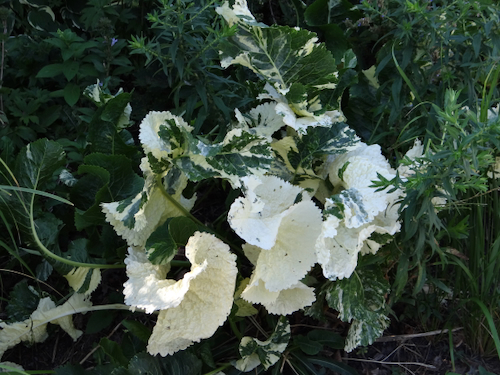
Armoracia rusticana 'Variegata'

Armoracia rusticana 'Variegata'


Toronto Botanical Garden

Our in-person meetings are held at the TBG.

Plant of the Month for January, 2018

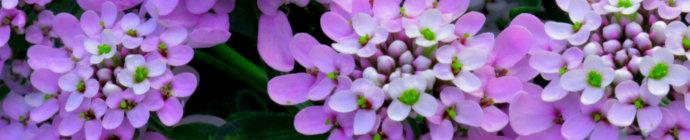
Iberis simplex header
Iberis simplex
 

  (eye-BEER-is  SIM-plecks)

General Information:

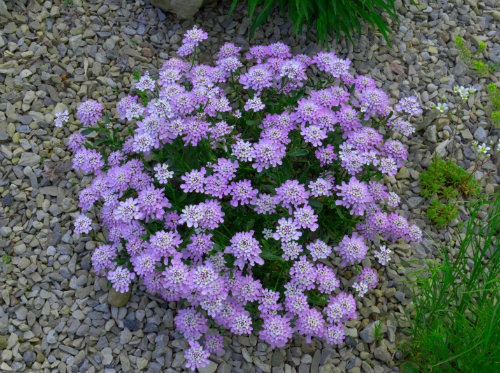
Iberis simplex is an easy to grow alpine that forms a lose bun and flowers a long time. It is a great addition to a rock or scree garden.
Iberis simplex main

Iberis simplex:photo by Robert Pavlis

The one pictured here was grown from seed obtained from NARGS through their seed exchange program. I have tried several Iberis and they all seem to be easy to grow from seed.

The whole genus is commonly called candytuft but not because they taste sweet. The name is derived from Candia, the former name of Heraklion on the Island of Crete.
Iberis simplex closeup

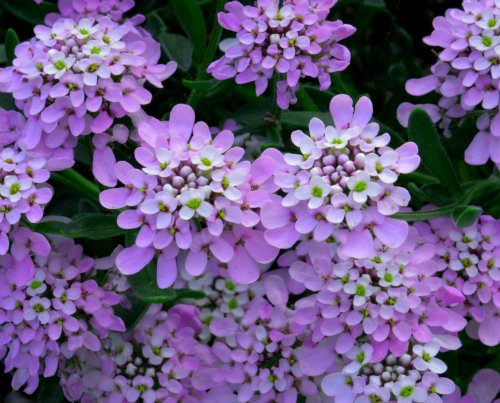
Iberis simplex:photo by Robert Pavlis

Each flower head consists of numerous flowers which open in succession, accounting for the long bloom display. I. simplex is smaller than some other candytufts but if it gets too large for the space, take cuttings, or layer some stems and start a new plant.

Deer have left this plant alone, but they have eaten other candytufts in the main garden.

Life Cycle: subshrub

Height: 12cm (5in)

Bloom Time: late spring

Natural Range: Eastern Europe, Western Asia

Habitat: rocky slopes and screes, 400-2900m

Synonyms:  Iberis pinardii, Iberis taurica


Cultivation:

Light: full sun

Soil: well drained, scree

Water: drought tolerant once established

USDA Hardiness Zone: (3?)5 – 9

Propagation: seed, cuttings late summer

Seedex availability (ORG&HPS annual Seed Exchange): occasionally


Requires light or the small seeds should be surface sown. See https://www.youtube.com/watch?v=RgkXUSI1GWo&index=1&list=UUJfYCNSWCIuOB2...
 
Sow @ 20°C. Seed germinates within 3 months.
Robert Pavlis

Plant of the Month for February, 2018

Syringa pekinensis

 (si-RING-gah  pee-keen-EN-sis)

General Information:

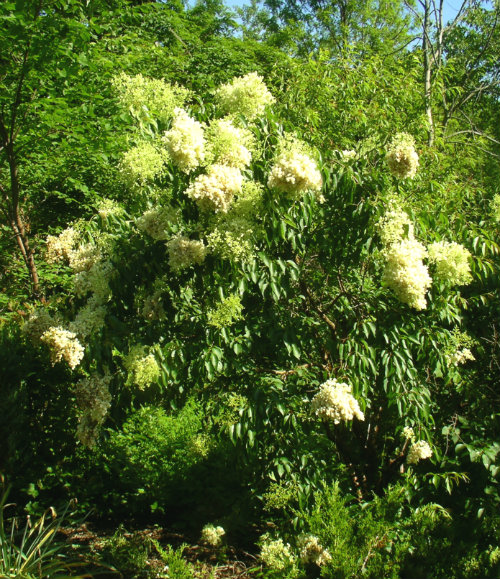
Syringa pekinensis is a small multi-stemmed tree that would fit most gardens. It has large clusters of cream-white flowers and exceptional exfoliating bark. If it had great fall color it would be one of the most popular trees on the market, but unfortunately the leaves just go brown.


Syringa pekinensis:photo by Robert Pavlis

Most sources use the name Syringa pekinensis, but some call it Syringa reticulate subsp pekinensis. The tree shape and flowers are very reminiscent of S. reticulata but the later does not have the nice reddish bark. Common names include Chinese tree lilac, Peking lilac and Pekin lilac. This illustrates the problem with common names, since S. reticulata is also commonly called the Chinese tree lilac.


Read more …

Page 18 of 18

  • 9
  • 10
  • 11
  • 12
  • 13
  • 14
  • 15
  • 16
  • 17
  • 18

How to Reset Password

How to find your Username

Login Form

  • Forgot your password?
  • Forgot your username?
  • Create an account

 Find us on Facebook 

Facebook

Join us on Instagram

Instagram


  • Login
  • Logout
Copyright © 2026 Ontario Rock Garden & Hardy Plant Society. All Rights Reserved.
Joomla! is Free Software released under the GNU General Public License.